Dallas is a city where high-end vehicles, especially exotic cars, are a common sight. But with the daily driving conditions, intense sun exposure, loose gravel, and constant construction, many owners are facing a dilemma: protect their vehicle’s factory paint or deal with costly repairs later? For those who truly care about their car’s finish, paint protection film (PPF) has become the preferred solution over repainting.
What Is PPF on a Car?
Before diving into why exotic car owners in Dallas prefer PPF, let’s first define what PPF is.
Paint Protection Film (PPF) is a clear, durable, self-healing film applied to a vehicle’s paint to protect it from damage caused by:
- Rock chips
- Road debris
- Swirl marks from washing
- UV exposure
Unlike waxes and sealants, PPF creates a physical barrier between your vehicle’s paint and the outside world, significantly reducing the risk of visible damage. For those wondering, what is ppf on a car, it’s essentially a transparent shield designed to preserve your car’s factory finish.
Why Is Repainting Exotic Cars More Expensive and Complex?
Repainting a vehicle may seem like a straightforward solution to restore its appearance, but for exotic car owners, repainting is not only costly but also complex.
Repainting an exotic car involves:
- Paint matching: Replicating the exact shade and texture of the original factory paint can be challenging, especially with special finishes like metallics, pearls, or matte coats.
- Labor costs: Exotic cars require highly skilled technicians to ensure the paint is applied evenly and to the highest standards.
Car repaint cost for luxury vehicles can reach upwards of $10,000 to $15,000, depending on the vehicle’s condition, paint system, and labor required. When it comes to high-end vehicles such as Ferraris or Lamborghinis, any repaint job risks affecting the vehicle’s resale value and authenticity.
Why Dallas Conditions Make PPF Essential for Daily Drivers?
Dallas is notorious for its tough road conditions. Between intense heat, frequent construction zones, and high-speed highways, the paint on a vehicle is exposed to constant wear.
Daily driving in Dallas often includes:
- Highway debris on major roads like I-635, DNT, and I-35
- Loose gravel from trucks and construction zones
- Extreme Texas UV exposure, which can fade car paint over time
- Dust and contaminants that accumulate on the vehicle’s surface
This environment accelerates paint damage, which is why more people are opting for automotive PPF to prevent the damage before it happens.
The Real Cost: Repainting vs. PPF
When considering how much does PPF cost versus how much does it cost to repaint a car, the answer is clear: PPF is a more cost-effective, long-term solution.
Repainting Costs for Exotic Cars
A high-end repaint for an exotic vehicle can range from:
- $10,000 to $15,000
- $20,000 or more for extensive paintwork and special finishes
PPF Costs
On the other hand, installing paint protection film typically costs:
- $6,000 to $12,000+ for full-body coverage, depending on the car model and the quality of the film
While the initial investment in PPF for cars may seem significant, it is far less expensive than dealing with repainting and the associated costs down the road.
PPF Offers More Than Just Protection for Paint
Exotic car owners are not just looking to protect the aesthetics of their vehicle, they are preserving its factory paint and the value that comes with it. Vehicle protective film does more than just act as a shield against rock chips and scratches.
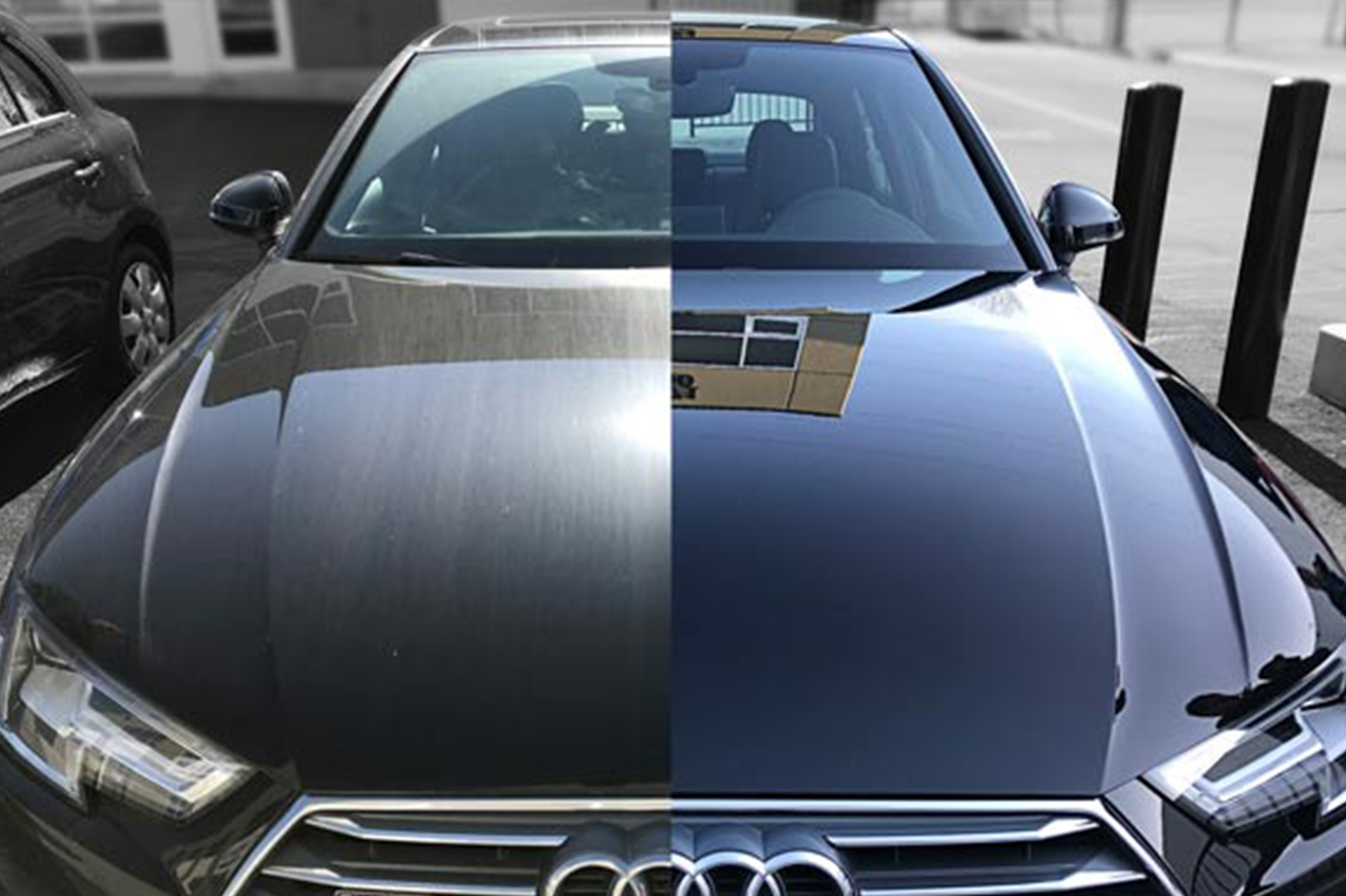
It also offers:
- Self-healing technology: Minor scratches and swirl marks fade away when exposed to heat.
- UV protection: Protects against UV rays that cause fading and oxidation.
- Durability: High-quality PPF can last 7 to 10 years with proper care, preserving the car’s appearance for much longer than a typical paint job would.
For exotic car owners, paint protection film for daily drivers provides not only aesthetic benefits but also long-term protection from the elements.
Protective Car Wrap vs Vinyl Wrap
Exotic car owners often ask if a car wrap to protect paint is the same as a traditional vinyl wrap. The answer is no.
Vinyl Wrap:
- Primarily for aesthetic purposes
- Does not provide physical protection against rock chips or road debris
Paint Protection Film (PPF):
- Self-healing properties
- Impact resistance from rock chips, scratches, and abrasions
- UV resistance, keeping your paint looking new longer
When considering the colored ppf wrap, this protective film not only changes your car’s appearance but also offers long-term durability and damage prevention.
PPF Makes a Big Difference on Highway Vehicles
Exotic vehicle owners who regularly drive on highways face constant exposure to:
- Flying road debris
- Tire kickback from large trucks
- Sand and gravel abrasion
- Heat from prolonged traffic exposure
Without ppf car protection, these elements quickly lead to visible damage. By installing automotive PPF, Dallas drivers are essentially preventing the need for constant paint correction and ensuring their vehicle remains pristine for years.
How Long Does PPF Last?
One of the primary questions Dallas drivers ask about ppf car protection is: How long does PPF last?
Most automotive PPF products last between 7 to 10 years, depending on maintenance, driving conditions, and the quality of the film. This longevity makes it a far more economical and reliable option than repainting, which would need to be done repeatedly over the life of the vehicle.
Does PPF Replace Ceramic Coating?
While ceramic coating enhances gloss and offers hydrophobic properties, paint protection film provides physical damage prevention.
Many Dallas exotic car owners choose to combine ppf ceramic coating for the ultimate in protection:
- PPF protects against rock chips and physical damage
- Ceramic coating enhances gloss, water resistance, and ease of cleaning
When looking for the ultimate protective film for cars, the combination of PPF and ceramic coating ensures comprehensive protection.
Is Paint Protection Film Worth It for Dallas Drivers?
For most Dallas drivers, PPF for cars is more than just an aesthetic upgrade, it is a smart, long-term investment.
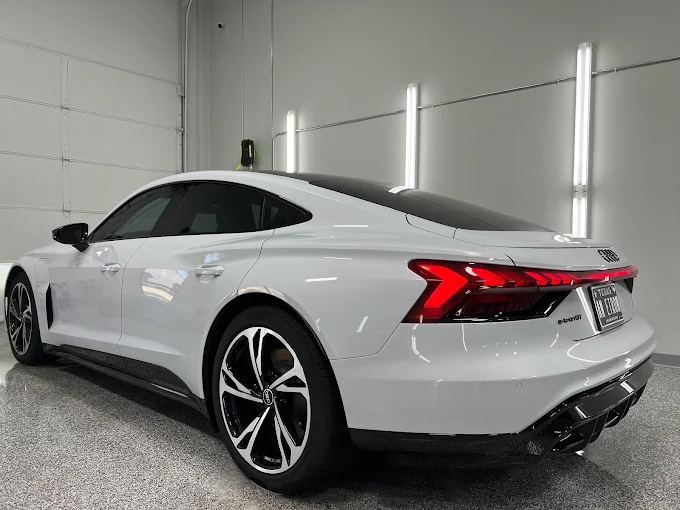
Without vehicle protective film, your car’s paint will quickly start to show signs of wear. Whether it is rock chips, UV exposure, or road debris, paint protection film offers a solution that is far more cost-effective than constant repainting and repairs.
For those in Dallas driving daily on highways, PPF becomes an essential part of preserving the vehicle’s factory finish, ensuring both aesthetics and resale value are maintained.
Final Thoughts
For Dallas drivers who care about preserving their vehicle’s paint, paint protection film is more than just an option, it’s a necessity. Whether you’re driving a luxury sedan, a high-performance Tesla, or an exotic Ferrari, PPF provides unmatched protection.
At Rodeo Werkz, we specialize in providing precision-driven PPF installations tailored to luxury, exotic, and performance vehicles throughout the Dallas-Fort Worth area. With years of experience and a commitment to excellence, we ensure that your car remains in pristine condition for years to come.
FAQs
1. How much does it cost to repaint a car compared to PPF?
Repainting an exotic car can cost thousands of dollars, often between $10,000 to $20,000. PPF usually costs between $6,000 to $12,000 for full-body coverage, making it a more cost-effective solution in the long run.
2. How long does PPF last on exotic vehicles?
High-quality PPF lasts between 7 to 10 years, depending on maintenance and environmental factors.
3. Is PPF worth it for Dallas drivers?
Yes, especially for those who drive frequently on highways or in areas with construction zones, rock debris, and intense UV heat. PPF offers long-term protection and helps preserve the car’s appearance.
4. Does PPF protect against rock chips?
Yes, PPF is specifically designed to absorb the impact of rock chips, preventing visible damage to the paint.
5. What is the difference between PPF and ceramic coating?
PPF protects against physical damage, while ceramic coating enhances the vehicle’s gloss and offers water-repellent properties. Many Dallas exotic car owners combine both for comprehensive protection.
6. Can I install PPF myself?
While some DIY kits exist, it’s highly recommended to have PPF installed by professionals. Proper edge wrapping, alignment, and installation precision are essential to ensure the film’s effectiveness.