Unpacking the Real Costs Behind Your Vehicle's Protection Services
The price tag on automotive protection services is a direct reflection of the technical wizardry, top-tier materials, and skilled hands that go into safeguarding your ride. Whether you’re eyeing paint protection film, ceramic coating, window tint, or a custom wrap, knowing what influences the investment helps you make smart choices for your vehicle’s long-term well-being. We’re breaking down the key players—your vehicle’s size and condition, the caliber and reputation of the products used, the expertise of the installers, the peace of mind offered by warranties, and the dynamics of the local market. Then, we’ll dive into the specifics for PPF, ceramic coating, and more. You’ll see why premium choices like XPEL are worth the upfront cost, why a seasoned installer makes all the difference, how DFW’s market affects pricing, and exactly how to get a precise quote from our XPEL-certified pros at Rodeo Werkz. This guide is your roadmap to understanding protection service costs and maximizing the value for your vehicle.
What Really Drives the Price of Automotive Protection Services?
The cost of protecting your vehicle is shaped by a mix of factors that dictate how much material is used, how much time and skill are involved, and what kind of coverage you get. Think of it this way: your vehicle’s size determines the surface area, its current paint condition dictates the prep work needed, the quality and brand of the product set a baseline price, the installer’s skill adds a premium for precision, warranties offer long-term security, and local market conditions influence overall overhead. For instance, a smaller car needing a quick polish and a standard XPEL ULTIMATE FUSION PPF job will naturally cost less than a large SUV that requires extensive paint correction and a top-tier film in a busy metro area. Grasping these core elements is the first step to understanding the detailed costs of each service.
| Factor | How Much It Matters | What It Means |
|---|---|---|
| Vehicle Size & Type | Big Time | Larger vehicles mean more material and more hours on the clock. |
| Paint Condition | Pretty Important | If the paint needs a lot of work, expect more prep time and complexity. |
| Product Quality & Brand | Moderately Important | Top brands like XPEL come with a higher starting price. |
| Labor Expertise | Moderately Important | Certified pros bring precision, which can cut down on future issues. |
| Warranty & Aftercare | Slightly to Moderately Important | Longer warranties and special care kits add to the total cost. |
| Location Overhead | Slightly Important | Where you are, like in Dallas–Fort Worth, and how busy things are, can affect rates. |
These elements all come together in their own unique way for every vehicle, and they directly lead into how specific services like PPF and ceramic coating apply these pricing variables in the real world.
How Does Your Vehicle's Size and Type Change the Protection Cost?
The dimensions and style of your vehicle directly influence how much material and how many hours are needed for complete coverage. Bigger SUVs and trucks naturally require more film, coating solution, and prep time compared to smaller cars or coupes. To give you an idea, a mid-size SUV might use 20–30 percent more material than a standard sedan, and the intricate curves on some vehicles can add another 10–15 percent to the installation time. This means size is a direct cost scaler, making accurate vehicle classification crucial for getting an upfront estimate. Now, let’s look at how your car’s current condition plays a role.
Why Is Your Vehicle's Current Paint Condition a Big Deal for Pricing?
The state of your vehicle’s paintwork dictates how much surface correction is needed before any protective layer can bond properly. A light polish to remove minor swirls might add an hour or two of labor at a standard rate, but deep scratches and oxidation could easily double the prep time with multi-stage polishing. These paint correction levels can shift labor costs by 20–50 percent, underscoring that a perfect finish starts with a thorough assessment of the existing condition. Accurately spotting existing imperfections ensures realistic pricing and sets the stage for considering product quality and installer expertise next.
How Does the Quality and Brand of the Product Affect the Price?
Top-shelf products from brands like XPEL command higher service fees because they come packed with advanced features—think self-healing capabilities, hydrophobic surfaces, and superior UV resistance. Generic films might lack these perks and often cost 25–40 percent less upfront, but they usually need replacing sooner. High-performance materials offer tangible benefits like better scratch resistance and easier cleaning, which can offset the higher initial cost by reducing the need for future repairs. Understanding the connection between brand reputation and functional advantages is key when you’re comparing quotes and highlights the value of having a certified installer.
What's the Role of an Expert Installer in the Pricing?
Certified installers with years of experience bring a level of precision and consistency that significantly cuts down on mistakes and the need for rework. Their expert application techniques minimize the risk of edges peeling or contaminants getting trapped underneath, directly impacting how long the protection lasts. This level of expertise can add a 15–30 percent premium compared to less experienced installers or DIY kits, but it’s an investment that ensures the best possible adhesion and finish quality. Knowing how an installer’s credentials and meticulous attention to detail factor into the overall price really emphasizes the value of professional service and naturally leads us to how warranties and aftercare support this investment.
How Do Warranties and Aftercare Fit into the Overall Cost?
Warranties provide coverage for manufacturing defects, discoloration, and adhesive performance, often adding a small fee but delivering peace of mind for years. For example, XPEL’s 10-year film warranty might add 5–10 percent to the project cost, but it covers repairs or replacements without extra labor charges. Aftercare kits, which include specialized cleaners and maintenance guides, further help protect the film or coating. When you factor in the warranty and recommended aftercare, you get a clearer picture of the total value over your vehicle’s lifespan and can then consider regional cost variations.
How Does Being in the Dallas-Fort Worth Area Impact Pricing?
Market demand, local labor costs, and the operational expenses of our facility here in the Dallas–Fort Worth area all play a part in setting our baseline pricing. High demand for premium services in our region can push labor rates up by 10–20 percent compared to less busy markets, though a competitive landscape of shops can help keep film and coating markups in check. Local supply chain efficiencies for XPEL products might lower material surcharges, but the costs of running our shop and insurance premiums in the DFW metroplex are still factors. Understanding this regional dynamic wraps up our overview of core pricing factors and smoothly transitions us into the specific breakdowns for each service.
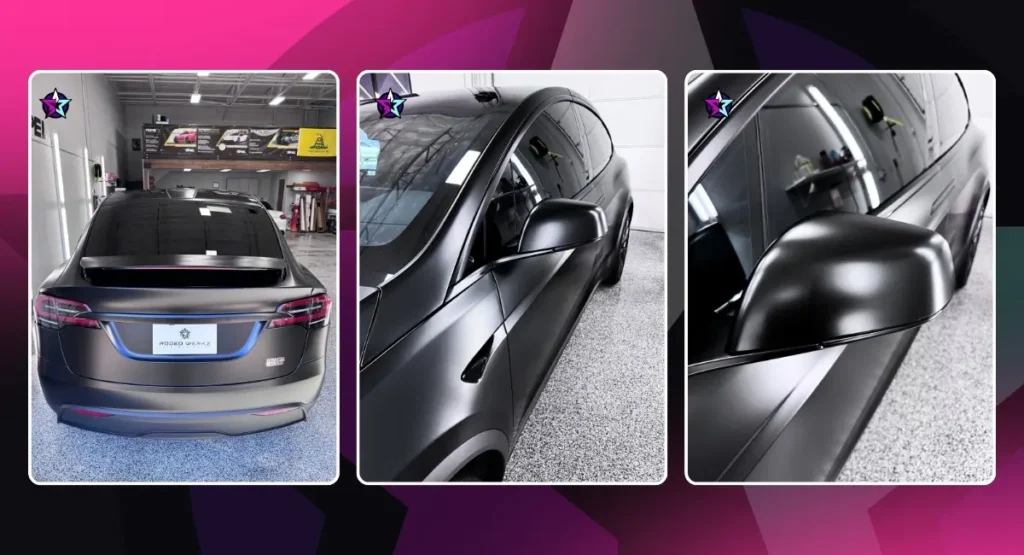
How Is Paint Protection Film (PPF) Priced for Your Vehicle?
PPF pricing is a blend of the product tier you choose, the amount of coverage you opt for, and how complex the installation is. XPEL offers different product lines—ULTIMATE FUSION, STEALTH, and COLOR PPF—each providing unique looks and performance benefits at different price points. Coverage can range from just the front end to a full vehicle wrap, with each option scaling material and labor costs accordingly. Intricate vehicle contours, deep body lines, and the need for multi-layer application can significantly increase installation difficulty and time. Warranty choices also play a role in the final figure. By understanding how these elements interact, you’ll see why PPF quotes can vary and be better prepared to weigh the long-term advantages against the initial investment.
What Are the Different XPEL PPF Product Tiers and What Do They Cost?
XPEL ULTIMATE FUSION is our top-tier option, offering advanced self-healing and hydrophobic properties. STEALTH provides a sleek matte finish for a unique look, while COLOR allows for custom tints. ULTIMATE FUSION carries the highest price tag, with STEALTH typically running about 10 percent less and COLOR around 15 percent less than the flagship tier. While the premium tiers cost more upfront, their superior protective qualities can significantly reduce future repair expenses.
How Does the Amount of Coverage Affect PPF Pricing?
The area you choose to cover directly impacts the amount of material needed and the installation hours required. A full front-end wrap, which usually includes the bumper, partial hood, and mirrors, uses about 30–40 percent of the film needed for a full-car wrap. Covering the entire vehicle can effectively double both the material and labor costs. For specific high-impact zones like rocker panels or door edges, we offer custom coverage priced per square foot, allowing you to target protection where it’s needed most. Understanding these coverage options helps you find the right balance between cost and protection.
Why Does Installation Complexity Change the PPF Cost?
Your vehicle’s shape, the depth of its body lines, and the necessary prep work all contribute to the installation’s complexity. Sculpted curves, bumpers that require multiple pieces, and hard-to-reach areas like wheel arches demand more time for precise fitting and trimming. These more complex installations can add 20–30 percent to the labor fees, reflecting the extra hours needed to achieve a flawless finish. Accurately assessing this complexity helps prevent surprises and highlights why relying on certified XPEL installers is crucial for consistent, high-quality results.
What Warranty Options Are Available for PPF, and How Do They Affect the Price?
XPEL provides a robust 10-year manufacturer’s warranty that covers issues like film cracking, yellowing, and adhesive failure. Optional extended coverage plans, which might include protection for glass and trim, could add up to 8 percent more to your estimate. These warranties essentially shift the cost from potential future repairs to proactive protection, safeguarding your investment and aligning the final pricing with long-term peace of mind.
What Are the Long-Term Benefits Versus the Cost of PPF?
The long-term advantages include significantly reduced repair expenses, maintained resale value, and a consistently stunning appearance. The self-healing properties of the film can make minor abrasions disappear, saving you money on touch-up costs. Hydrophobic surfaces make cleaning easier and prevent staining, lowering your maintenance effort. Over the lifespan of your vehicle, these savings often surpass the initial PPF investment, demonstrating how the price reflects not just the material quality but also the extended protection it provides.
What Factors Influence Ceramic Coating Pricing in Dallas-Fort Worth?
The price of ceramic coating is determined by the coating’s durability, the extent of surface preparation, your vehicle’s size, and the brand’s reputation. Coatings range from basic options that last about a year to industry-leading formulations like XPEL FUSION PLUS, which offer up to 10 years of protection. Proper paint correction and decontamination are essential for the coating to bond correctly, which impacts prep labor costs. Larger vehicles require more coating solution and application time, and premium brands naturally come with higher rates. These factors all come together to create a personalized quote and guide your decision for lasting gloss and protection.
| Coating Type | How Long It Lasts | Typical Price Range |
|---|---|---|
| One-Year Standard | 1 year | Moderate |
| Five-Year Intermediate | Up to 5 years | Higher |
| XPEL FUSION PLUS | Up to 10 years | Premium |
How Do Coating Types and Durability Levels Affect the Price?
One-year coatings generally require less material and labor, but they also need reapplication sooner. Five-year options use more advanced formulations with higher solids and cross-linkers, typically adding 15–25 percent to the base rates. XPEL FUSION PLUS, known for its superior hydrophobic properties and chemical resistance, commands the highest premium—often 30–50 percent above basic tiers—to deliver a decade of protection.
Why Is Surface Preparation So Important for Ceramic Coating Costs?
Paint correction and decontamination are critical steps that remove swirl marks, iron deposits, and old wax residues, creating a perfectly smooth surface for the coating. Multi-stage polishing can add 20–40 percent to the labor hours, directly increasing the overall cost. However, thorough surface prep is essential to ensure the coating adheres properly, maintains its gloss, and qualifies for warranty coverage, making it a vital step despite the added expense.
How Does Your Vehicle's Size Impact Ceramic Coating Pricing?
Larger vehicles naturally require more ceramic coating material and take longer to apply. An SUV, for example, might use 15–20 percent more solution than a sedan, and the application labor can increase by similar margins. Accurately classifying your vehicle’s size ensures we allocate the right resources and avoid underestimating the total service cost.
What Role Does Brand Quality Play in Ceramic Coating Prices?
Premium brands like XPEL FUSION PLUS utilize high-grade silane and ceramic polymers, delivering superior gloss, enhanced scratch resistance, and robust chemical protection. Brand reputation alone can influence pricing tiers by 20–30 percent compared to less established or generic formulations. Investing in a recognized brand ensures consistent performance and the integrity of your warranty.
How Do Multiple Layers of Coating Affect the Final Cost?
Each additional layer of ceramic coating boosts hydrophobicity and durability, but it also adds about 10–15 percent per layer to both labor and material costs. While multi-layer packages are often bundled at a slight discount, the cumulative benefit of enhanced protection justifies the incremental expense for vehicle owners seeking the ultimate in long-term defense.
What Are the Key Pricing Factors for Other Automotive Protection Services?
Beyond PPF and ceramic coatings, services like window tinting, paint correction, and custom wraps are influenced by similar cost drivers: the quality of materials, the extent of coverage, the complexity of the job, and the installer’s skill. Bundled service packages can offer even greater value by combining these offerings at a reduced combined rate. Understanding the unique variables that impact pricing for each service helps you budget effectively for overall vehicle protection and identify the most transparent package options.
How Is Window Tinting Pricing Determined?
Window tint pricing depends on the film grade (like IR-rejecting versus standard), the total area of glass to be tinted, and the installation difficulty, especially for curved windows. Premium heat-rejection films typically cost 15–25 percent more, while tinting all the windows adds 30–40 percent more than just tinting a few. Certified installers are skilled at preventing edge lifting and bubbles, justifying a higher quality premium over basic DIY kits.
What Influences Paint Correction Cost Breakdown in Dallas?
The cost of paint correction is directly tied to how severe the paint defects are ranging from light swirl removal to heavy scratch repair and how many polishing stages are required. Minor corrections might involve one labor unit, while advanced multi-stage compounding could require two or three units, effectively doubling or tripling the cost. Local labor rates in the Dallas–Fort Worth area further adjust these figures.
How Are Vehicle Wrap Costs Calculated?
Custom wrap pricing takes into account the complexity of the design, the quality of the vinyl used, and the area being covered. Full-vehicle wraps using premium cast vinyl will naturally cost more than partial wraps or simple accent wraps. Intricate graphics and complex color transitions add time for precise layout and trimming, potentially increasing labor fees by 20–30 percent.
How Do Service Packages Affect Overall Pricing Transparency?
Bundled packages, which combine multiple services like PPF with ceramic coating or coating with window tint, often provide discounts of 10–15 percent compared to purchasing each service individually. Transparent package pricing clearly outlines the value of each individual service and the total savings, helping vehicle owners make optimized protection investments.
Why Is Investing in Premium Automotive Protection Services Worth the Cost?
Investing in premium protection services delivers lasting results that preserve your vehicle’s appearance, minimize maintenance efforts, and boost its resale value. High-end materials like XPEL films and coatings offer self-healing and hydrophobic properties that significantly cut down on repair time and make washing easier. Expert installation ensures optimal performance and maximizes the benefits of your warranty. Over the entire lifespan of your vehicle, these factors translate into tangible financial savings and a more satisfying ownership experience.
How Do Premium Materials Like XPEL Justify Higher Prices?
XPEL products are engineered with advanced polymer chemistry that enables them to self-heal minor scratches and effectively repel water and contaminants. These built-in mechanisms reduce the need for frequent repainting and detailing, effectively offsetting the higher upfront cost through lower long-term maintenance expenses.
What Is the Impact of Expert Installation on Service Longevity?
Certified installers utilize specialized tools and work in controlled environments to prevent common issues like edge lifting, trapped contaminants, and uneven adhesion. This level of precision can extend the lifespan of your film and coating by up to 20 percent compared to less meticulous installations, ensuring you get the full benefit of the warranty period.
How Does Vehicle Protection Enhance Resale Value?
Vehicles with well-maintained paint surfaces consistently command higher resale premiums—often 5–10 percent above the average market value. Protection services like ours preserve the original factory finish, shielding it from stone chips and oxidation that can degrade a vehicle’s appeal and impact its overall return on investment.
What Are the Long-Term Cost Savings of Quality Protection?
Quality protection significantly reduces the need for frequent corrective detailing, scratch repairs, and paint touch-ups. Over a period of five years, these savings can easily exceed the initial service cost, making a premium investment a smart and cost-effective strategy for owners focused on longevity and maintaining their vehicle’s appearance.
What Are the Most Frequently Asked Questions About Automotive Protection Pricing?
Vehicle owners often wonder how the basic factors we’ve discussed translate into actual quotes, what the typical pricing norms are in their area, and how to effectively compare different service tiers. Understanding these common questions—about pricing drivers, tier costs, the value of the investment, the trade-offs between professional service and DIY kits, and the expected lifespan of protection services—empowers you to ask the right questions and secure accurate estimates. Below, we explore each of these typical concerns to clarify how pricing variables are applied in practice.
What Factors Determine the Price of Paint Protection Film and Ceramic Coating?
The rates for both PPF and ceramic coating are primarily influenced by your vehicle’s size, the current condition of its paint (which dictates necessary correction work), the specific product tier you select (such as XPEL ULTIMATE FUSION or FUSION PLUS), the installer’s level of expertise, and the warranty coverage included. Recognizing how each of these factors impacts material and labor costs ensures you can make transparent comparisons between different quotes.
How Much Does XPEL PPF Cost in Dallas-Fort Worth?
XPEL PPF pricing in the Dallas–Fort Worth area varies based on the specific product tier chosen, the extent of coverage on your vehicle, and the complexity of the installation. ULTIMATE FUSION generally starts at a higher base rate, while the STEALTH or COLOR editions offer tiered pricing options. Local labor costs and overhead also contribute to the final estimates, making personalized quotes essential for exact figures.
Is Ceramic Coating a Worthwhile Investment for My Vehicle?
Ceramic coating is an excellent investment for owners who prioritize long-term paint protection, enhanced gloss, and easier maintenance. The durability level you choose (from 1-year to 10-year options) and the amount of paint correction needed will influence the upfront cost, but the reduction in frequent detailing and the preservation of your finish’s quality deliver significant ROI over your vehicle’s life.
Why Does Professional Installation Cost More Than DIY Kits?
Professional installation adds significant value through controlled environments, certified techniques, and comprehensive prep work that simply cannot be replicated with DIY kits. Certified installers prevent issues like trapped air bubbles, film or coating failures, and improper adhesion, ensuring you achieve the full performance and warranty benefits, which justifies the higher labor rates.
How Long Do Automotive Protection Services Typically Last?
The longevity of PPF and ceramic coatings depends heavily on the product tier selected and your maintenance routine. Standard films typically last 5–7 years with proper care, while premium XPEL ULTIMATE FUSION films and FUSION PLUS coatings can perform optimally for up to 10 years under recommended aftercare conditions. Having realistic expectations for durability helps with budgeting and planning for future renewals.
How Can You Get a Custom Quote for Automotive Protection Services at Rodeo Werkz?
To get an accurate, custom quote from Rodeo Werkz, simply provide us with specific details about your vehicle and your desired services. Our certified XPEL installers will then tailor the perfect solution for you. We pride ourselves on clear communication and transparent pricing, ensuring every quote precisely reflects the scope of work and your desired level of protection.
What Information Is Needed to Receive an Accurate Pricing Estimate?
Please provide your vehicle’s make, model, year, and details about its current paint condition. Also, specify the protection services you’re interested in—such as the PPF tier, coating durability level, desired tint percentage, or wrap design—and the coverage areas you prefer. Including recent photos of your vehicle’s surfaces can also help us assess accuracy more quickly.
How Does Rodeo Werkz Ensure Transparent and Fair Pricing?
At Rodeo Werkz, we use a clear tier system for our product lines and provide base rates for different coverage levels and complexity categories. Our certified XPEL installers conduct an in-person or virtual assessment, walk you through each cost driver, and present a detailed breakdown that clearly shows material, labor, and warranty charges.
What Are the Next Steps After Requesting a Quote?
Once you approve your quote, we’ll schedule a consultation to finalize the prep and installation dates. A dedicated specialist will confirm the service scope, collect a deposit if needed, and prepare your vehicle in our climate-controlled bay. Installation will be completed to XPEL’s exacting standards, followed by a thorough aftercare briefing and the handover of your warranty documentation.
Protecting your vehicle with premium film and coating services from Rodeo Werkz offers enduring aesthetic preservation, reduced maintenance demands, and maximized resale value. Request your personalized estimate today to align your protection needs with your budget and experience professional installation that sets the standard for quality and clarity.